
What Is the Success Rate of Choledochal Cyst Surgery?
Choledochal cyst surgery is a procedure that can be lifesaving and greatly improve quality of life.
If you or a loved one has been diagnosed with a choledochal cyst, it is natural to have questions about whether surgery is successful, the risks involved, and what recovery looks like.
Here’s everything you need to know about the procedure, its effectiveness, and what to expect.

Key Takeaways
- High Success Rate: Choledochal cyst surgery has an excellent success rate of 90–95%, especially when performed by experienced hepatobiliary or pediatric surgeons.
- Why Surgery Is Important: Surgery removes the cyst and reconstructs bile drainage, preventing serious complications such as infections, bile duct obstruction, and bile duct cancer.
- Modern Surgical Advances: Minimally invasive techniques like laparoscopic and robotic surgery offer smaller incisions, less pain, reduced complications, and faster recovery compared to open surgery.
- Recovery Is Usually Smooth: Most patients stay in the hospital for a few days and recover within 2–3 weeks after minimally invasive surgery or 4–6 weeks after open surgery.
- Risks Are Low: Complications such as bile leaks, infections, or bile duct narrowing are uncommon and manageable with proper post-operative care and follow-up.
- Early Treatment Gives Best Results: Early diagnosis, timely surgery, choosing an experienced surgeon, and regular follow-ups significantly improve long-term outcomes and quality of life.
What Is a Choledochal Cyst?
A choledochal cyst is a rare congenital condition where the bile ducts, responsible for carrying bile from the liver to the intestine for digestion, become abnormally dilated.
This condition is usually present at birth but may not show symptoms until childhood or even adulthood.
If left untreated, choledochal cysts can cause complications such as bile duct obstructions, infections (like cholangitis), painful inflammation, or even an increased risk of bile duct cancer.
Early diagnosis and treatment are key to preventing these long-term risks.
What Are the Main Goals of Choledochal Cyst Surgery?
Choledochal cyst surgery focuses on resolving complications and reducing future risks. The primary goals of the surgery are to:
- Remove the cyst to eliminate the risk of infection and malignancy.
- Reconstruct the bile drainage pathway, often connecting the bile duct to the intestine to ensure bile flows properly.
Both open and minimally invasive approaches (e.g., laparoscopic or robotic surgery) can achieve these objectives, with the approach depending on the patient’s unique circumstances.
Success Rate of Choledochal Cyst Surgery
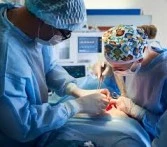
The success rate of choledochal cyst surgery is highly reassuring, with over 90–95% of cases resulting in favorable outcomes when performed by experienced surgeons.
The vast majority of patients recover fully and experience long-term relief from symptoms and complications.
Factors Affecting Success
While the general prognosis is excellent, several factors can affect the success rate of the surgery, including:
- Age at Diagnosis: Early intervention often leads to better outcomes by addressing the cyst before complications arise.
- Patient Health: Chronic conditions or infections present at the time of surgery may complicate recovery.
- Surgical Expertise: Success rates are higher when the procedure is performed by experienced hepatobiliary or pediatric surgeons.
- Type of Surgery: Minimally invasive techniques often result in faster recovery and fewer complications.
- Extent of Complications: Advanced complications like malignancies may affect outcomes.
Expert Insight
“Choledochal cyst surgery has an excellent success rate when performed early and with complete cyst excision. In experienced hands, most patients recover fully and avoid long-term complications.”
Potential Risks and Complications Associated With Choledochal Cyst Surgery
Like any surgery, choledochal cyst procedures come with potential risks. However, advances in surgical techniques have significantly minimized these. Common risks include:
- Bile Leaks: While rare, they can occur post-surgery and may require additional intervention.
- Infections: Managed with antibiotics and proper post-operative care.
- Narrowing (Strictures) of reconstructed bile ducts, which may require monitoring or additional procedures.
Long-term complications, such as recurrence of bile duct narrowing, are rare but possible.
That said, the benefits of removing the cyst and reducing the risk of serious complications far outweigh these risks for most patients.
How Long Does It Take to Recover After Choledochal Cyst Surgery?
Recovery time depends on the surgical approach. Open surgeries typically require a recovery period of 4–6 weeks, while minimally invasive techniques like laparoscopic or robotic surgery may reduce recovery time to 2–3 weeks.
- Hospital Stay: Patients usually spend a few days in the hospital post-surgery for monitoring.
- Resuming Normal Activities: Most children and adults can return to regular activities within weeks, though heavy lifting and strenuous activities should be avoided during initial recovery.
- Follow-Up Care: Regular imaging and check-ups ensure that bile ducts remain healthy and functional post-surgery.
How Has Modern Surgical Technology Improved Choledochal Cyst Treatment?
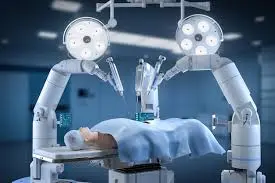
Advancements in surgical technology have significantly improved the treatment of choledochal cysts, particularly through minimally invasive techniques like laparoscopic and robotic surgeries.
These methods offer several benefits over traditional open surgery, including reduced tissue trauma, smaller incisions, less postoperative pain, and faster recovery times.
Robotic Surgery for Choledochal Cysts
Robotic-assisted surgery, such as the use of the da Vinci Surgical System, enhances the precision and control of minimally invasive procedures.
This technology provides surgeons with a three-dimensional view of the surgical area and allows for more precise movements, which is especially beneficial in delicate operations like those involving choledochal cysts.
Studies have shown that robotic surgery can lead to less tissue damage, quicker recovery, and better healing compared to traditional laparoscopic methods.
Benefits of Robotic Surgery
1.Enhanced Precision: The robotic system offers improved dexterity and a magnified, high-definition view of the surgical site, allowing for more accurate dissections and suturing.
2.Reduced Trauma: Smaller incisions and more precise movements result in less damage to surrounding tissues, leading to decreased postoperative pain and a lower risk of complications.
3.Faster Recovery: Patients often experience shorter hospital stays and quicker returns to normal activities due to the minimally invasive nature of the procedure.
Considerations
While robotic surgery offers numerous advantages, it also requires specialized training and equipment, which can be costly.
Additionally, the learning curve for surgeons can be steep, and not all medical facilities may have access to this technology.
Therefore, it’s important for patients to discuss with their healthcare providers whether robotic surgery is the most appropriate option for their specific situation.
In summary, robotic-assisted surgery represents a significant advancement in the treatment of choledochal cysts, offering enhanced precision, reduced trauma, and faster recovery times compared to traditional methods.
However, the decision to use this technology should be made collaboratively between the patient and a qualified surgical team, considering all relevant factors.
Factors That Enhance Success Rates
You can improve the chances of a smooth surgery and recovery by focusing on the following factors:
- Choose an Experienced Surgeon: Look for a specialist in hepatobiliary or pediatric surgeries, as they have extensive experience handling choledochal cyst cases.
- Act Early: Early diagnosis and timely surgery reduce risks and improve outcomes.
- Follow Post-Operative Guidelines: Stick to the doctor’s recommendations for diet, activity restrictions, and follow-up appointments.
When Should Surgery Be Considered?
Surgery is typically recommended for choledochal cysts, even in cases where symptoms are mild, to prevent severe complications over time.
Immediate surgical intervention is crucial in situations such as:
- Persistent abdominal pain or jaundice.
- Recurrent infections like cholangitis.
- Evidence of bile duct obstruction or malignancy on imaging.
Don’t Delay. Get Clarity from the Right Expert.
Choledochal cysts can lead to serious complications if left untreated.
An early consultation can make all the difference.
Consult Dr. Aditya Kulkarni to understand your risks, explore safe surgical options, and plan the right treatment—before problems escalate.
Early action today protects your long-term health.
FAQ Section
1. What is the recovery time for choledochal cyst surgery?
Patients undergoing laparoscopic surgery often recover within 2–3 weeks, while open surgeries may require 4–6 weeks for complete healing.
2. Can choledochal cysts recur after surgery?
Recurrence is rare if the surgery is successful, but long-term monitoring is essential to detect any issues with reconstructed bile ducts.
3. What are the risks of not treating a choledochal cyst?
Untreated cysts can lead to infections, bile duct obstructions, pancreatitis, or bile duct cancer in severe cases.
4. Is laparoscopic surgery better than open surgery for choledochal cysts?
Laparoscopic surgery offers advantages like smaller incisions, faster recovery, and less pain. However, the choice depends on individual factors and the surgeon’s expertise.
5. Are there any long-term effects after surgery?
Most patients lead normal, healthy lives post-surgery. Regular follow-ups help to monitor bile duct health and prevent rare complications.
Final Thoughts
Choledochal cyst surgery is a highly effective treatment with excellent success rates, especially when performed by skilled surgeons at specialized centers.
While the risks are minimal in experienced hands, the benefits of surgery—eliminating symptoms, reducing complications, and improving long-term health—are substantial.
If you or your loved one has been diagnosed with a choledochal cyst, consult a hepatobiliary or pediatric surgery specialist to discuss the best treatment options.
Early action can ensure optimal results and peace of mind for you and your family. Your health is worth it!

Dr. Aditya Kulkarni
MS, DNB, FRCS, MCh (Surgical Gastroenterology & GI Oncology)
Dr. Aditya Kulkarni is a Consultant of Laparoscopic and Robotic Gastrointestinal, Hepato-biliary-pancreatic, and Cancer Surgeon at the Renowned Oasis Surgery Clinic Pune.
Book An Appointment