
Risk Factors in Pancreatic Cancer
Every human body tells a story, a unique narrative shaped by genetics, lifestyle choices, and the environment. This narrative can influence our susceptibility to certain health conditions, including pancreatic cancer.
Explore the critical risk factors associated with Pancreatic Cancer, as elucidated by Dr. Aditya Kulkarni he is a Pancreatic sureon in pune at oasis clinic. Gain essential insights to enhance your understanding of this challenging condition and its potential preventive measures. Book Appointment Now
What Exactly Are Risk Factors?
Before we delve into specifics, let’s clear up what we mean by ‘Risk factors’. A risk factor is anything that increases the likelihood of developing a disease or health condition.
In the context of Pancreatic Cancer, Risk factors are conditions or habits that heighten the chance of developing this disease. It’s essential to bear in mind that having one or more risk factors does not guarantee disease onset; it merely increases the odds. So, what are these Risk Factors? Let’s explore.
Most Common Risk Factors of Pancreatic Cancer
Smoke Signals: The Dangers of Tobacco: First and foremost among risk factors is smoking. Smoking cigarettes doubles the risk of pancreatic cancer compared to non-smokers.
How? Well, the harmful chemicals in cigarette smoke can damage DNA in our cells, leading to cancerous mutations.
And it’s not just cigarettes – chewing tobacco also increases the risk. If you’re a smoker, quitting can significantly reduce your risk, no matter how long you’ve been smoking.
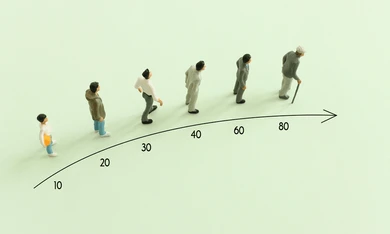
Aging: The Inevitable Risk Another unavoidable risk factor for pancreatic cancer is age. Statistics reveal that most people diagnosed with this disease are over 60. As our bodies age, the likelihood of DNA mutations increases, which can lead to cancer. While we can’t stop aging, we can certainly age healthily by adopting a wholesome lifestyle.
Genetics: Can Genetics Play a Part? Absolutely. Certain genetic mutations and conditions can increase the risk of pancreatic cancer. These genetic changes, often passed down through families, can lead to DNA errors, resulting in conditions such as multiple endocrine neoplasia type 1 (MEN1), Peutz-Jeghers syndrome, and hereditary breast and ovarian cancer syndrome (HBOC).
While possessing a genetic predisposition to pancreatic cancer elevates your risk, it doesn’t guarantee you’ll develop the disease. It emphasizes the importance of vigilant screenings and open dialogues with a healthcare provider.
Dr. Aditya Kulkarni, The Pancreatic cancer specialist in Pune, provides essential guidance for individuals with such concerns. When Your Lifestyle Raises The Red Flag Beyond genetics and age, certain lifestyle choices can also increase the risk of pancreatic cancer. These include:
- Obesity: Being overweight or obese elevates the risk of many cancers, including pancreatic.
- Diet: Consumption of red and processed meats and low intake of fruits, vegetables, and whole grains can up the odds.
- Physical Inactivity: Lack of physical activity not only contributes to obesity but can independently increase the risk.
- Alcohol Use: Heavy drinking can lead to conditions like chronic pancreatitis, which can increase the risk of pancreatic cancer.
Preventing Pancreatic Cancer: What Can We Do?
While we can’t change our age or genetics, there’s much we can control. Here are some proactive measures you can take:
- Quit Smoking: If you’re a smoker, quit. It’s the most effective way to reduce the risk. Remember, it’s never too late to quit.
- Maintain a Healthy Weight: Regular physical activity and a balanced diet can help maintain a healthy weight and reduce cancer risk. Aim for at least 150 minutes of moderate-intensity or 75 minutes of high-intensity exercise each week.
- Eat a Healthy Diet: Opt for a diet rich in fruits, vegetables, and whole grains. Minimize processed and red meats, and choose lean proteins instead.
- Limit Alcohol Consumption: If you choose to drink alcohol, do so in moderation.

Early Detection: The Key to a Better Outcome
Early detection of pancreatic cancer can improve prognosis significantly. Look out for warning signs such as jaundice, upper abdominal or back pain, unexplained weight loss, and nausea. Remember, these symptoms don’t necessarily mean you have pancreatic cancer, but it’s important to consult your doctor if you notice them.
Pancreatic Cancer Overview Read Here
Wrapping up
Knowledge is Power Understanding pancreatic cancer and its risk factors is a crucial step towards prevention. Armed with this knowledge, you can make informed lifestyle choices, seek appropriate screenings, and increase your chances of detecting the disease early, if it does occur.
Remember, every small step towards a healthier lifestyle counts. Whether it’s swapping a cigarette for a piece of fruit, or replacing a drive with a brisk walk, these changes add up and significantly impact your health.
Take control of your health today. Awareness, early detection, and preventative measures can help you conquer the risk of pancreatic cancer and navigate your path to health. Your wellbeing is our main concern, and we’re dedicated to helping you every step of the way. Don’t hesitate to reach out for more insights and personalized advice. You’re not alone on this journey.

Dr. Aditya Kulkarni
MS, DNB, FRCS, MCh (Surgical Gastroenterology & GI Oncology)
Dr. Aditya Kulkarni is a Consultant of Laparoscopic and Robotic Gastrointestinal, Hepato-biliary-pancreatic, and Cancer Surgeon at the Renowned Oasis Surgery Clinic Pune.
Book An Appointment