
Diverticulitis vs. Diverticulosis: Understanding the Differences
Diverticulitis and Diverticulosis are two medical terms that often confuse people. Understanding the Difference Between these Conditions is crucial for managing gastrointestinal health effectively.
Embark on a comprehensive journey in this article, unraveling the definitions, causes, symptoms, treatments, and potential complications of diverticulitis and diverticulosis. Under the guidance of Dr. Aditya Kulkarni, delve into a clear understanding of these terms and grasp their distinctions by the end of this informative exploration on the best Diverticulitis treatment in Pune.
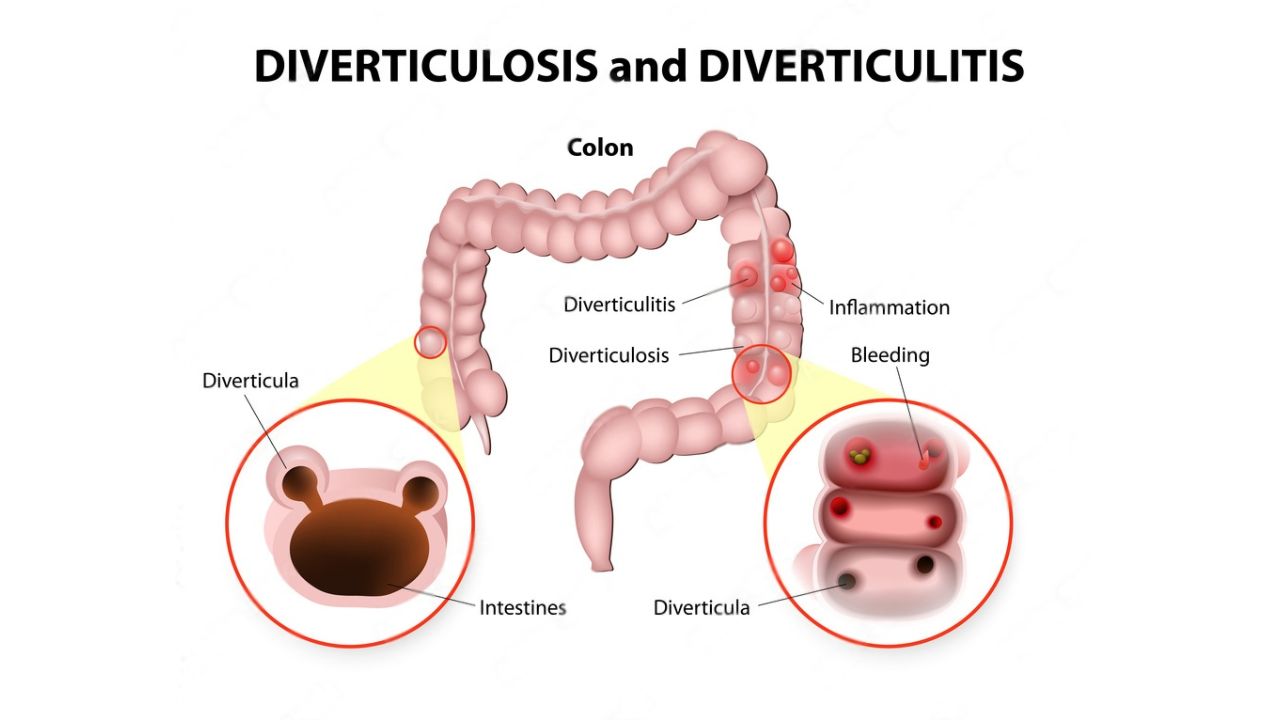
What is Diverticulosis?
Diverticulosis is characterised by small pouches, or diverticula, in the colon lining or large intestine. These pouches develop over time when weak spots in the colon wall give way under pressure. Age, a low-fibre diet, and a sedentary lifestyle are common risk factors for diverticulosis.
The exciting thing about diverticulosis is that it often produces no noticeable symptoms. Many people may only be aware that they have diverticula if they undergo an examination for another reason.
Differentiating Between Diverticulosis and Diverticulitis
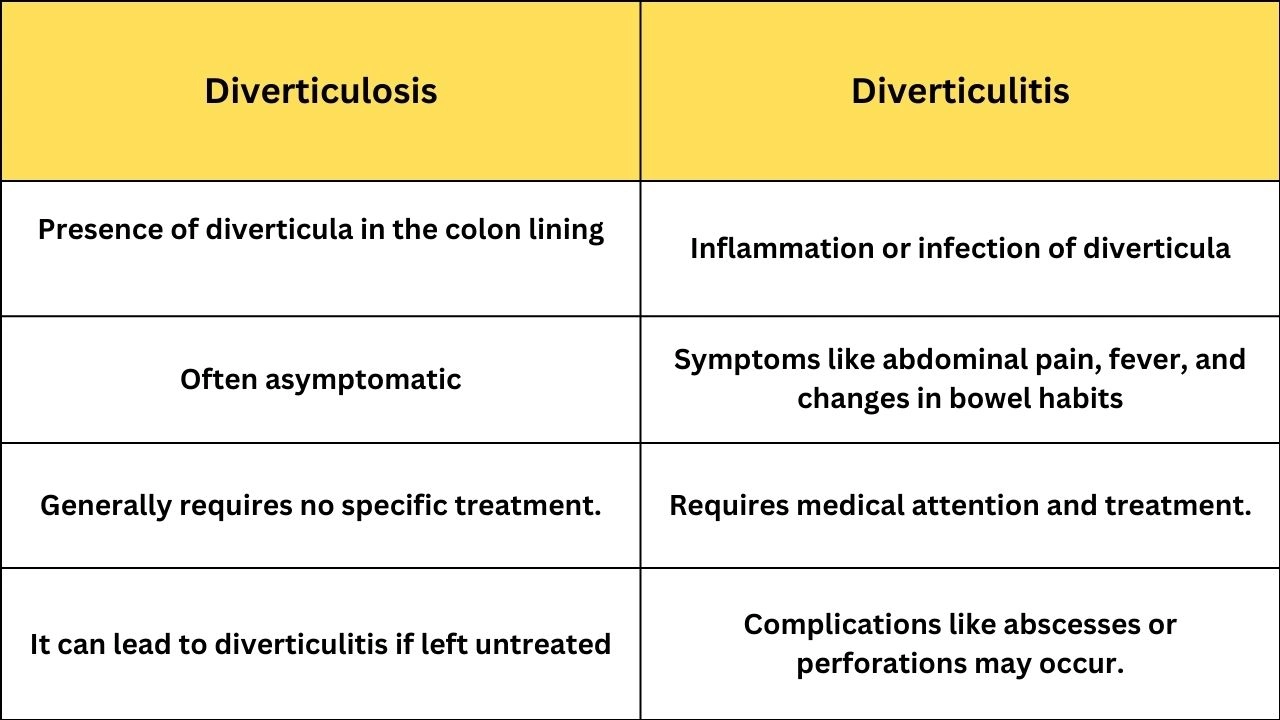
It is crucial to correctly diagnose and differentiate between the two conditions to ensure appropriate treatment.
Risk Factors and Causes
Several factors contribute to the development of diverticulosis and diverticulitis. Age is a significant risk factor for both conditions, as the elasticity of the colon decreases with age. A low-fibre diet, typical in many Indian households, increases the risk of developing diverticula.
Lifestyle factors, such as lack of physical activity and obesity, can further escalate the risk.Additionally, genetics may play a role in predisposing individuals to these conditions.
Symptoms and Diagnosis
Diverticulosis is often asymptomatic, but some people may experience mild symptoms like bloating, cramping, or changes in bowel movements.
In contrast, Diverticulitis manifests with pronounced symptoms such as intense abdominal pain, fever, and alterations in bowel habits. Accurate diagnosis by consulting a doctor is crucial, as these symptoms may resemble those of other gastrointestinal conditions. Turn to Dr. Aditya Kulkarni, recognized as the best diverticulitis surgeon in Pune, for expert guidance and comprehensive care.

Treatment Approaches
Treatment for diverticulosis mainly involves dietary and lifestyle adjustments. Increasing fibre intake through fruits, vegetables, whole grains, and legumes can promote regular bowel movements and prevent complications. Adequate hydration and regular exercise are essential for maintaining a healthy digestive system. In cases of Diverticulitis Treatment may involve antibiotics, rest, a clear liquid diet, and sometimes surgery, depending on the severity and complications.
Complications and Long-term Effects
Diverticulitis can lead to several complications, such as the formation of abscesses, perforations in the colon, or abnormal connections between organs (fistulas). If left untreated, diverticulitis can have long-term effects, including chronic pain, recurrent infections, and an increased risk of complications. However, it is essential to note that complications are relatively rare in cases of diverticulosis.
Prevention and Lifestyle Changes
Preventing diverticulosis and diverticulitis involves making specific lifestyle changes. Consuming a high-fibre diet that includes fruits, vegetables, whole grains, and legumes can help prevent the formation of diverticula and reduce the risk of diverticulitis. Staying hydrated, exercising regularly, and maintaining a healthy weight contribute to overall digestive health. By adopting these habits, individuals can lower their chances of developing these conditions.
Wrapping up
Understanding the differences between diverticulosis and diverticulitis is crucial for managing gastrointestinal health effectively. While diverticulosis may not cause noticeable symptoms, diverticulitis can be distressing and require medical attention.
By adopting a high-fibre diet, engaging in regular physical activity, and maintaining a healthy lifestyle, individuals can reduce their risk of developing these conditions and promote a healthy digestive system. Always consult a gastroenterologist for specific guidance and advice tailored to your needs.

Dr. Aditya Kulkarni
MS, DNB, FRCS, MCh (Surgical Gastroenterology & GI Oncology)
Dr. Aditya Kulkarni is a Consultant of Laparoscopic and Robotic Gastrointestinal, Hepato-biliary-pancreatic, and Cancer Surgeon at the Renowned Oasis Surgery Clinic Pune.
Book An Appointment