
Survival Rate of Stage 1 Colorectal Cancer
The 5-year relative survival rate for localised stage 1 colorectal cancer is approximately 91%.
This means that, on average, people diagnosed with stage 1 colorectal cancer are about 91% as likely as people who do not have that cancer to live for at least five years after diagnosis.
A diagnosis of stage 1 colorectal cancer can feel overwhelming, but it’s important to understand what this early stage means. Stage 1 signifies that the cancer is localised.
It has grown through the inner lining of the colon or rectum but has not spread to nearby lymph nodes or distant parts of the body. This early detection is key to a highly favourable prognosis and successful treatment.
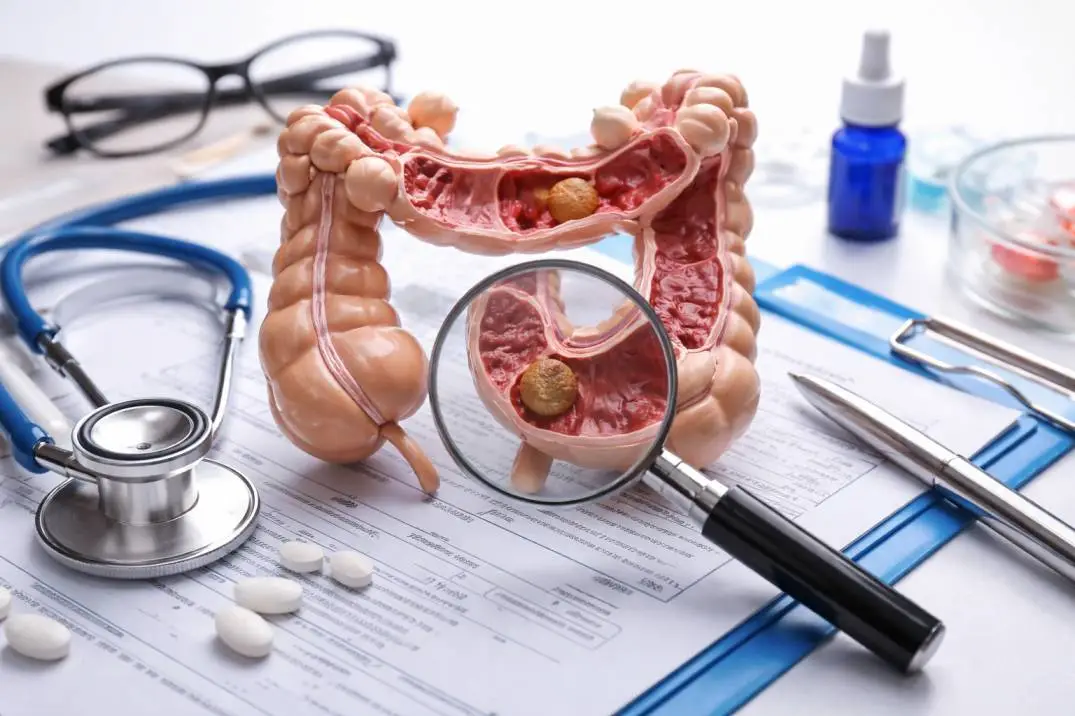
Quick Facts: Stage 1 Colorectal Cancer Treatment
- Definition: Stage 1 colorectal cancer is an early form of cancer confined to the wall of the colon or rectum.
- Treatment Candidates: Individuals diagnosed with stage 1 colorectal cancer through screening or symptomatic investigation are primary candidates.
- Procedure Time: Surgical procedures, such as a polypectomy or local excision, can range from 30 minutes to a few hours, depending on the complexity.
- Recovery: Recovery is often swift. For minimally invasive procedures, patients may return to normal activities within one to two weeks. Larger resections may require a hospital stay of several days and a longer recovery period of a few weeks.
- Success Rate: Treatment for stage 1 colorectal cancer has a very high success rate, with surgery often being curative. The 5-year survival rate is around 91%.
- Cost Range: The cost of treatment can vary significantly based on the specific procedure, hospital, and insurance coverage. It’s best to discuss this with your healthcare provider and insurance company.
What Does Stage 1 Colorectal Cancer Mean for You?
Receiving any cancer diagnosis is a serious moment. However, a stage 1 diagnosis is the most promising news one can get in this context. It indicates that the cancer has been caught at its earliest, most treatable phase.
Defining Stage 1
In medical terms, stage 1 colorectal cancer is described by the TNM system:
- T (Tumour): The cancer has grown into the submucosa (T1) or the muscularis propria (T2), which are layers of the colon wall.
- N (Nodes): The cancer has not spread to any nearby lymph nodes (N0).
- M (Metastasis): The cancer has not spread to distant parts of the body, like the liver or lungs (M0).
Put simply, the cancer is a localised growth that has not yet had the chance to travel through the lymphatic system or bloodstream to other organs. This is why the outlook is so positive.
Symptoms That May Lead to a Diagnosis
While many stage 1 cancers are found during routine screenings before symptoms appear, some people may experience:
- A persistent change in bowel habits, such as diarrhoea or constipation.
- Rectal bleeding or blood in the stool.
- Persistent abdominal discomfort, like cramps, gas, or pain.
- A feeling that your bowel doesn’t empty completely.
If you experience any of these symptoms, it is crucial to consult a specialist. Early investigation can lead to an early-stage diagnosis and more effective treatment.
How is Stage 1 Colorectal Cancer Treated?
Treatment for stage 1 colorectal cancer is focused on removing the cancerous tissue completely. Because the cancer is localised, surgery alone is often enough to achieve a cure. The type of surgery depends on the size and location of the cancer.
Polypectomy
Many colorectal cancers begin as polyps—small, non-cancerous clumps of cells on the lining of the colon or rectum.
If a stage 1 cancer is contained within a polyp, it can often be entirely removed during a colonoscopy.
This procedure, called a polypectomy, is minimally invasive. The doctor uses a wire loop passed through the colonoscope to cut the polyp from the wall of the colon.
The removed tissue is then sent to a lab to confirm that the entire cancer was removed and that the cancer cells did not reach the edge of the removed tissue (clear margins).
Local Excision
If the cancer is in the rectum and is small, a doctor might perform a local excision. This procedure is also done without a major surgical incision.
The surgeon passes instruments through the anus to remove the cancer from the rectal wall, along with a small amount of surrounding healthy tissue.
Like a polypectomy, this is often a day procedure with a quick recovery time. It is a highly effective option for specific, early-stage rectal cancers.
Colectomy or Bowel Resection
For larger stage 1 cancers that cannot be removed by local excision, a more extensive surgery called a colectomy (or bowel resection) may be necessary.
This involves removing the part of the colon or rectum containing the cancer, as well as some surrounding healthy tissue and nearby lymph nodes.
The surgeon then reattaches the healthy ends of the colon. While this is a more significant operation requiring a hospital stay, it is highly effective at curing stage 1 cancer.
Many of these procedures can be performed using minimally invasive laparoscopic or robotic techniques, which can lead to faster recovery, less pain, and smaller scars.
Why Chemotherapy is Rarely Needed
Chemotherapy and radiation are typically not required for stage 1 colorectal cancer. These treatments are designed to kill cancer cells that have spread beyond the initial site.
Since stage 1 cancer is, by definition, confined to the colon or rectum wall, removing it surgically is usually sufficient.
Your medical team will analyse the removed tissue carefully. If there are any unusual features, such as the cancer being a high-grade type, they will discuss if any further preventative (adjuvant) treatment is needed, but this is uncommon for stage 1.
Life After Treatment for Stage 1 Colorectal Cancer
The excellent survival rate for stage 1 colorectal cancer means that most people go on to live full, healthy lives. However, your journey doesn’t end the moment surgery is over. Follow-up care is essential to ensure you remain cancer-free.
The Importance of Surveillance
After treatment, you will enter a surveillance phase. This is a schedule of follow-up appointments and tests designed to monitor your recovery and check for any signs of recurrence. While recurrence is rare for stage 1 cancer, it’s important to be vigilant.
Your follow-up plan will likely include:
- Regular Doctor Visits: You’ll meet with your cancer care team periodically to discuss your health.
- Colonoscopies: You will need a follow-up colonoscopy, usually about one year after your surgery, and then at regular intervals determined by your doctor.
- Blood Tests: Your doctor may monitor levels of a protein called CEA (carcinoembryonic antigen), which can be elevated if colorectal cancer returns.
Adhering to this follow-up schedule is one of the most important things you can do for your long-term health.
Adopting a Healthy Lifestyle
While your genes can play a role in cancer risk, lifestyle choices can also make a significant difference. After treatment, many patients feel motivated to adopt healthier habits to support their overall well-being and potentially reduce the risk of recurrence or new cancers.
Consider focusing on:
- A Balanced Diet: Emphasise fruits, vegetables, and whole grains. Try to limit red and processed meats, which have been linked to an increased risk of colorectal cancer.
- Regular Physical Activity: Aim for at least 150 minutes of moderate-intensity exercise per week. Activities like brisk walking, swimming, or cycling are excellent choices.
- Maintaining a Healthy Weight: Obesity is a known risk factor for colorectal cancer.
- Avoiding Smoking and Limiting Alcohol: Both are linked to a higher risk of various cancers, including colorectal cancer.
These changes not only support your recovery but also contribute to better overall health, reducing your risk for other conditions like heart disease and diabetes.
Choosing the Right Specialist for Your Care
Receiving a cancer diagnosis is a life-changing event. The expertise and experience of your medical team are paramount.
You need a specialist who not only has a deep understanding of the disease but also provides compassionate, patient-centred care.
An expert in colorectal surgery can guide you through the diagnosis, explain your treatment options in a way you can understand, and perform the necessary procedures with precision and skill.
They will be your partner throughout this journey, from the initial consultation to your long-term follow-up care.
Finding a surgeon you trust is a critical step in your treatment.
Look for a specialist with extensive experience in minimally invasive techniques, as these often lead to better outcomes and quicker recoveries for early-stage cancers.

Dr. Aditya Kulkarni
MS, DNB, FRCS, MCh (Surgical Gastroenterology & GI Oncology)
Dr. Aditya Kulkarni is a Consultant of Laparoscopic and Robotic Gastrointestinal, Hepato-biliary-pancreatic, and Cancer Surgeon at the Renowned Oasis Surgery Clinic Pune.