
Where is Hiatal Hernia Pain Located on a Woman?
A hiatal hernia can be an unnerving condition, particularly when it manifests as persistent discomfort or pain.
Women, like men, can experience pain and other symptoms related to this condition, but it may sometimes present in ways that are unique to their physiology and more easily mistaken for other medical issues.
This blog will explain what a hiatal hernia is, discuss the specific locations where this pain might occur in women, and provide guidance on recognising these symptoms.
We’ll also share advice on when medical attention is necessary and outline potential treatment options.
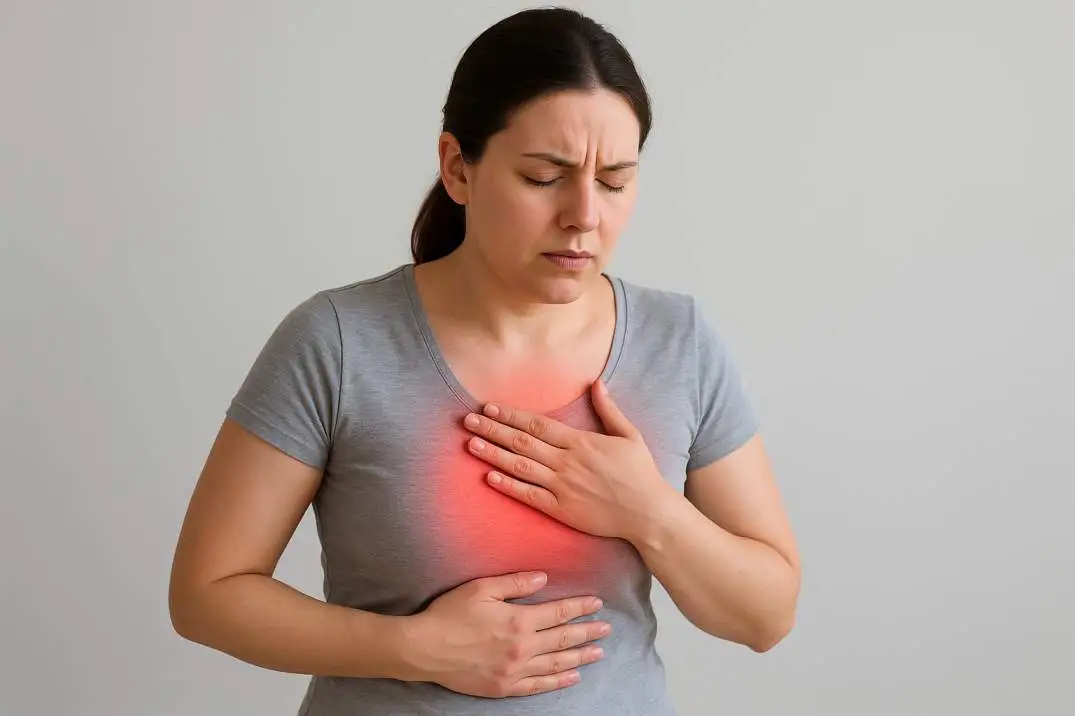
What Is a Hiatal Hernia?
A hiatal hernia occurs when the upper part of the stomach pushes upwards through the diaphragm, the thin sheet of muscle that separates the chest cavity from the abdomen.
Normally, the stomach is located entirely below the diaphragm, but if the muscle becomes weak or tears, part of the stomach can squeeze through an opening called the hiatus.
There are two main types of hiatal hernias:
- Sliding Hiatal Hernia: This is the most common type. It happens when the junction between the stomach and oesophagus (the lower oesophageal sphincter) slides up into the chest.
- Paraesophageal Hernia: Less common but potentially more severe, this occurs when part of the stomach gets trapped next to the oesophagus, potentially leading to obstruction or other complications.
Although hiatal hernias are more common in older women, they can affect individuals of all ages and are often linked to factors like age-related muscle weakness, obesity, or even pregnancy.
Common Symptoms of a Hiatal Hernia
Hiatal hernias don’t always cause noticeable symptoms, but when they do, the following are common:
- Heartburn: A burning sensation that rises up from the stomach into the chest.
- Acid reflux: Stomach acid flows back into the oesophagus, causing irritation.
- Difficulty swallowing: Some women may feel food or liquids getting stuck.
- Chest pain or discomfort: This is often mistaken for heart-related issues.
- Belching or regurgitation: More frequent burping or food returning to the mouth.
- Chronic cough or hoarseness: If stomach acid irritates the throat.
- Feeling of fullness or bloating: Pressure in the upper abdomen, even after eating small meals.
For some women, these symptoms can mimic other conditions like ulcers or gallbladder issues, adding to the complexity of diagnosis.
Understanding the Location of Hiatal Hernia Pain in Women
Women with a hiatal hernia may experience pain in distinct areas, and understanding these locations is crucial for proper recognition and treatment. Below are the primary pain points, with explanations of why these areas are affected:
1. Upper Abdomen
The upper abdomen is one of the most common locations where hiatal hernia pain is felt. The displaced portion of the stomach pressing against the diaphragm can cause sensations of discomfort, cramping, or sharp pain right below the ribcage.
2. Chest Area

Pain in the chest is perhaps the most alarming symptom for many women, as it is often mistaken for a heart problem. The chest pain associated with a hiatal hernia is typically caused by acid reflux or irritation of the oesophagus as stomach contents move upwards unnaturally. This pain may feel like pressure, burning, or a lingering ache.
3. Back Pain
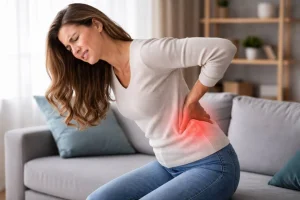
Though less well-known, back pain can also occur, particularly around the mid-back area. This happens because the irritation of the stomach and oesophagus can radiate outward, affecting nerves and muscles in the surrounding areas.
4. Neck and Throat Discomfort
 While not a typical “pain” location, some women report a sensation of tightness or a lump in the throat (also known as globus sensation) due to acid reflux, which occurs when stomach acid affects the upper oesophagus.
5. Right Shoulder Blade Pain

On occasion, women with a paraesophageal hernia may feel referred pain that radiates to the right shoulder blade, similar to gallbladder concerns. Though not common, it is a sign that should not be ignored.
Why Pain in These Areas Occurs?
The pain associated with a hiatal hernia stems primarily from the stomach’s abnormal position and the complications it creates. Here’s why:
- The shifting of the stomach can directly irritate the diaphragm and nerves in that region, leading to discomfort in the upper abdomen and chest.
- Acid reflux from the stomach into the oesophagus can cause inflammation and a burning sensation in the chest or throat.
- When pain radiates to other areas, like the back, it’s often due to referred pain. This happens when irritation in one part of the body is perceived elsewhere because of shared nerve pathways.
How Hiatal Hernia Pain Can Be Mistaken for Other Conditions?
Hiatal hernia pain is tricky to diagnose because it often mimics the symptoms of other health problems that are more common, such as:
1. Heart Conditions
Chest pain from a hiatal hernia can feel very similar to angina or other cardiac issues. Women, in particular, may be more prone to misdiagnosis since their cardiac symptoms can present atypically.
2. Gastro-oesophageal Reflux Disease (GORD)
The overlap between hiatal hernia and chronic acid reflux often leads to confusion, as the two are closely related. Many individuals with hiatal hernias do experience GORD symptoms.
3. Gallbladder Issues
Upper abdominal pain, particularly around the right side, could also be mistaken for gallstones or gallbladder inflammation.
4. Anxiety or Panic Attacks
Chest tightness, pressure, or difficulty breathing stemming from a hiatal hernia may sometimes be misinterpreted as anxiety, especially in women.
Tips to Recognise Hiatal Hernia Pain
To better identify pain related to a hiatal hernia, consider the following:
- Is your pain worse after eating or lying down? This could point to acid reflux from a hernia.
- Does the pain lessen when you stand or take antacids? These may provide temporary relief for hernia-related discomfort.
- Are you experiencing recurring symptoms like heartburn or bloating? Chronic issues increase the likelihood of a hiatal hernia.
Keeping a symptom diary can help you identify patterns and provide your hernia specialist with valuable insights.
When to Seek Medical Attention?
While hiatal hernias are often manageable, certain signs require prompt medical care:
- Severe or persistent chest pain that does not improve with antacids.
- Difficulty swallowing or the sensation that food is stuck in your throat.
- Vomiting, particularly if it contains blood or resembles “coffee grounds.”
- Shortness of breath, which could indicate complications.
- Unexplained weight loss paired with digestive discomfort.
Experiencing persistent chest pain, difficulty swallowing, or digestive discomfort? Don’t wait—consult Dr. Aditya Kulkarni in Pune today for expert care and effective hiatal hernia management.
Treatment Options for Hiatal Hernia Pain
Treatment for a hiatal hernia varies depending on its severity and symptoms:
- Lifestyle Changes: These include eating smaller meals, avoiding triggers like caffeine and alcohol, elevating the head while sleeping, and maintaining a healthy weight.
- Medication: Over-the-counter antacids, H2 blockers, or proton pump inhibitors (PPIs) can reduce stomach acid and relieve symptoms.
- Surgery: For severe cases, surgical interventions such as fundoplication may be necessary to reposition the stomach and repair the hernia.
Final Thoughts
Recognising the distinct pain points of a hiatal hernia in women is the first step to managing the condition effectively.
If you suspect that your symptoms align with a hiatal hernia, reach out to a hiatal hernia specialist for a thorough diagnosis.
With proper care, a hiatal hernia can often be controlled, allowing you to return to a more comfortable and pain-free life.

Dr. Aditya Kulkarni
MS, DNB, FRCS, MCh (Surgical Gastroenterology & GI Oncology)
Dr. Aditya Kulkarni is a Consultant of Laparoscopic and Robotic Gastrointestinal, Hepato-biliary-pancreatic, and Cancer Surgeon at the Renowned Oasis Surgery Clinic Pune.
Book An Appointment