
Can You Eat Regular Foods Again with Achalasia?
Summary
Yes, many people with achalasia can return to eating regular foods after effective treatment, although the timeline varies from person to person.
Achalasia affects the movement of food from the esophagus into the stomach, making swallowing difficult and causing food or liquids to feel stuck.
After treatments such as POEM, Heller myotomy, or pneumatic dilation, patients usually transition gradually from liquids to soft foods and then to regular meals.
Eating slowly, chewing food thoroughly, taking small sips of water, and staying upright after meals can make swallowing easier.
The right diet depends on your symptoms, treatment, recovery, and food tolerance.
If swallowing problems continue, worsen, or cause weight loss, regurgitation, or repeated food sticking, follow-up with an achalasia specialist is important.
Key takeaway: Achalasia does not necessarily mean giving up regular foods permanently. With appropriate treatment and individualized dietary adjustments, many patients can enjoy a much more normal eating experience.
Intro
Living with achalasia can turn something as simple as eating into a daily challenge.
If you’ve recently been diagnosed or are recovering from treatment, you probably have one burning question on your mind: Can I eat regular foods again?
The short answer is yes, but the path to getting there requires patience, practical strategies, and the right approach.
This guide will walk you through everything you need to know—from how treatment impacts your ability to eat, to diet plans, real patient experiences, and even the latest advancements in achalasia research.
Whether you’re looking for emotional support or actionable steps, we’ve got you covered.
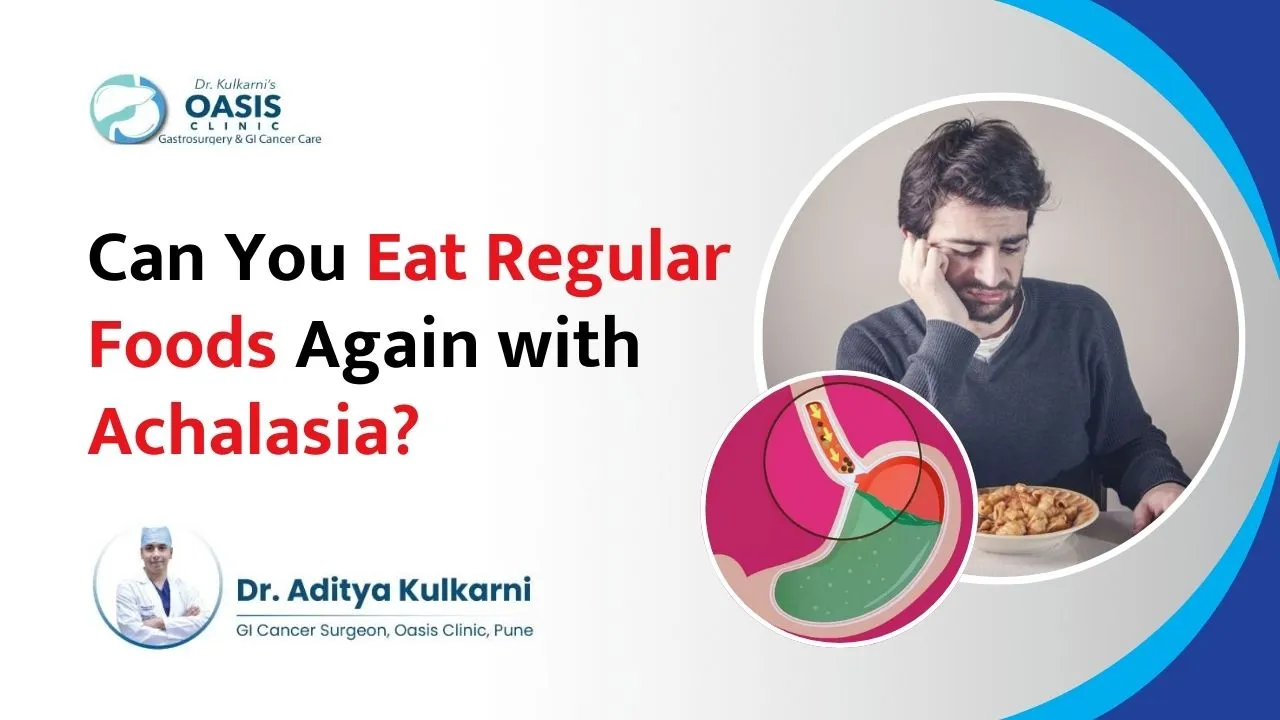
What is Achalasia, and Why Does Eating Become Such a Struggle?
Imagine trying to enjoy your favorite meal, only to have it feel stuck mid-swallow or cause discomfort minutes later. That’s the reality for many living with achalasia. This rare condition affects the esophagus, limiting its ability to move food toward your stomach.
Achalasia happens when the nerves controlling the esophagus are damaged, and the lower esophageal sphincter (LES) fails to relax properly.
For someone with achalasia, even simple tasks like swallowing water or eating soft bread can feel like a monumental effort.
But there’s hope—with modern treatments and dietary adjustments, many people regain their ability to enjoy food again. Keep reading to learn how.
Can You Eat Regular Foods Again? The Short Answer
If you’re wondering whether you’ll be able to tackle a juicy steak or crunchy salad in the future, the prospects are encouraging. Many individuals with achalasia successfully reintroduce regular foods after treatment, particularly with the right diet and eating techniques.
However, achieving this depends on factors such as your treatment plan, the severity of the condition, and how well your body responds.
Here’s why some people continue to struggle:
· Damage to the esophageal nerves can sometimes impair coordinated swallowing.
· Surgical or non-surgical treatments may take time to show results.
· Anxiety and fear of food “getting stuck” can make eating feel overwhelming.
But don’t lose heart! Methods like gradual food reintroduction, tailored eating strategies, and specific post-treatment guidelines can help you achieve near-normal eating habits.
A Glimpse of Hope
Take Maria, for example. After her pneumatic dilation treatment, she followed a detailed diet plan, starting with liquids and slowly transitioning to solid meals. Today, she enjoys family dinners without stress, but it took time, effort, and the right strategies.
How Treatment Affects Your Ability to Eat Regular Foods?
Your treatment choice plays a huge role in shaping your eating experience. Each approach impacts swallowing and food tolerance differently. Here’s what you can expect:
Before Treatment
Before treatment, achalasia often causes symptoms like choking, regurgitation, and chest pain when eating. Foods like bread, dry rice, or steak become practically impossible to swallow because the esophagus can’t push food toward the stomach. Many people resort to soft or liquid diets during this time.
After Different Treatments
1. Pneumatic Dilation (stretching the LES with a balloon): This procedure improves swallowing for most patients, but the recovery phase involves a gradual return to solid foods. You’ll likely start with liquids and soft foods for a few weeks.
2. Heller Myotomy Surgery (esophageal muscle incision): Patients often find significant relief and can eat most foods again within a few weeks. However, some may need to avoid acidic or spicy foods temporarily.
3. POEM Procedure (Peroral Endoscopic Myotomy): Known for its high success rate, POEM allows many patients to resume regular eating quicker than other treatments. However, it still requires careful diet transitions.
4. Botox Injection (temporary LES relaxation): While effective short-term, dietary modifications are still essential since symptoms may recur.
Returning to Regular Foods: A Step-by-Step Diet Plan
Eager to get back to regular meals? Follow this step-by-step guide after treatment to ease your esophagus back into action:
Post-Treatment Eating Timeline
| Phase | What to Eat |
| Week 1 | Clear liquids like broths, smoothies, and protein shakes. |
| Week 2-3 | Soft, easy-to-swallow foods, such as mashed potatoes, scrambled eggs, and yogurt. |
| Week 4+ | Gradual reintroduction of solid foods like chicken, pasta, and soft fruits. |
Smart Eating Techniques for Achalasia
· Chew, chew, chew: Make sure food is completely broken down before swallowing.
· Hydrate while eating: Small sips of water between bites can prevent food from sticking.
· Stay upright: Sit up straight or lean forward slightly while eating to assist gravity.
· Eat smaller, frequent meals: This reduces pressure on your esophagus.
Best and Worst Foods for Achalasia
| Category | Best Options | Foods to Avoid |
| Proteins | Soft-cooked chicken, fish, eggs | Tough meats, dry steak |
| Carbs | Mashed potatoes, pasta with sauce | Dry bread, plain rice |
| Fruits/Veggies | Ripe bananas, steamed veggies | Raw carrots, apples with skin |
| Dairy | Yogurt, soft cheeses | Thick milkshakes, hard cheeses |
The Psychological and Social Side of Eating with Achalasia
Eating isn’t just physical; it’s emotional and social, too. It’s natural to feel anxious about dining out or embarrassed if you struggle to swallow in public. Remember, you’re not alone, and others have faced similar challenges.
· Dining Tips: Opt for restaurants with softer menu options. Don’t hesitate to explain your condition to staff so they can accommodate your needs.
· Building Confidence: Start with small portions and eat slowly to regain trust in your ability.
· Support Groups: Connect with others via online communities or in-person groups. Sharing stories can provide comfort and practical advice.
New Research on the Horizon
The future looks bright for achalasia management, thanks to ongoing advancements in medical research:
· Stem cell therapy aims to repair damaged esophageal nerves.
· Improved surgical techniques are making treatments less invasive and more effective.
· Experimental drugs are being tested to enhance esophageal motility.
Frequently Asked Questions (FAQs)
Q1. How long does it take to eat regular foods again after treatment?
Most people can reintroduce solid foods within 4-6 weeks, depending on treatment and recovery speed.
Q2. Can achalasia worsen after treatment?
It’s uncommon, but possible. Regular follow-up visits and adopting proper eating habits help maintain progress.
Q3. What stops food from getting stuck?
Chewing thoroughly, drinking water, and avoiding overly dry or sticky foods can help.
Q4. Should I work with a dietitian?
Consulting a dietitian can provide personalized guidance tailored to your specific needs.
Q5. Does drinking water while eating help?
Yes! Taking sips between bites can ease food passage through your esophagus.
A Final Note of Encouragement
Achalasia is challenging, but with the right strategies, treatments, and support, you can reclaim an enjoyable eating experience. Keep an open line of communication with your achalasia doctor, explore dietary solutions, and remember to celebrate small victories along the way.
Need help creating a diet plan? Reach out to a nutritionist or specialist to learn what’s best for your recovery. You’ve got this!

Dr. Aditya Kulkarni
MS, DNB, FRCS, MCh (Surgical Gastroenterology & GI Oncology)
Dr. Aditya Kulkarni is a Consultant of Laparoscopic and Robotic Gastrointestinal, Hepato-biliary-pancreatic, and Cancer Surgeon at the Renowned Oasis Surgery Clinic Pune.
Book An Appointment