
Appendix Removed? Here’s What to Expect
Living without an appendix is a reality many individuals face after undergoing an appendectomy.
Whether the procedure was an emergency or a preventative measure, it’s natural to wonder about the long-term effects of living without this small organ.
In this comprehensive guide, we will explore the topic of living without an appendix, providing valuable insights into the long-term effects, potential adjustments in diet and lifestyle, and any health risks associated with the absence of this organ.
We aim to offer practical and actionable information tailored to the Indian audience.
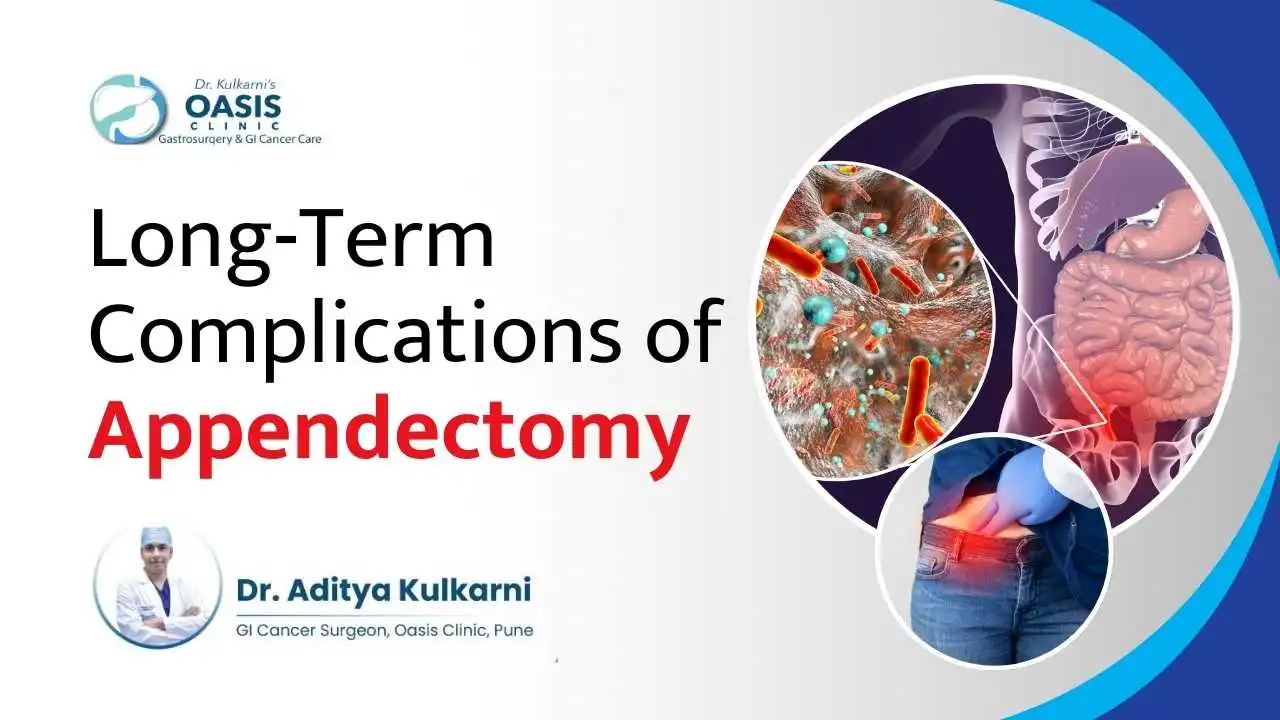
Understanding the Appendix
The appendix is a small, finger-like pouch at the junction of the small and large intestines.
While its precise function remains mysterious, it is believed to play a role in the immune system and possibly digestion.
However, the appendix is not considered vital for overall health and well-being.
The Appendectomy Procedure
When the appendix becomes inflamed or infected, surgical removal, an appendectomy, is necessary.
This procedure can be performed using traditional open surgery or minimally invasive techniques such as laparoscopy, depending on various factors such as the severity of the condition and the surgeon’s expertise.
Short-Term Effects and Recovery
After an appendectomy, it is common to experience short-term effects during recovery.
These may include pain, discomfort at the incision site, fatigue, and temporary changes in bowel movements.
Following the appendix surgeon’s instructions regarding rest, medication, and wound care will promote a smoother recovery.
Adjusting to Life Without an Appendix
Living without an appendix typically does not cause significant long-term effects. Most individuals adapt well to the absence of this organ, and the body can adjust and compensate without compromising overall health and normal bodily functions.
Digestive Health and Diet Considerations
While no specific dietary restrictions exist for individuals without an appendix, some may notice minor changes in their digestive patterns.
It is advisable to pay attention to your body’s response and make individual adjustments accordingly.
Gradually reintroducing fibre-rich foods, staying hydrated, and maintaining a balanced diet can support healthy digestion.
Including probiotics in your diet can also be beneficial. Probiotics are live bacteria that promote a healthy gut environment. Consuming yoghurt, kefir, sauerkraut, and kimchi can help maintain a diverse and thriving gut microbiome.
Immune Function and Overall Health
Concerns about immune function after appendix removal are often raised. While the appendix is involved in the immune system, its absence does not typically lead to a significant compromise in overall immune function.
The body’s immune system has redundant mechanisms to protect against infections and maintain health.
However, it is essential to prioritise overall health by maintaining a balanced diet, engaging in regular exercise, managing stress, and ensuring adequate sleep.
Potential Health Risks
The long-term risks associated with appendix removal are minimal. Studies suggest a slightly increased risk of developing gastrointestinal conditions such as Crohn’s disease or ulcerative colitis.
However, it is essential to note that these risks are relatively low compared to the potential complications of leaving an inflamed appendix untreated.
Regular check-ups with an appendix doctor can assist in monitoring your overall health and detecting any potential issues early on.
Exercise and Physical Activity
Living without an appendix generally does not restrict your ability to engage in physical activity or exercise.
However, it’s essential to listen to your body and gradually increase the intensity and duration of your workouts. If you experience discomfort or pain during exercise, consult a surgeon.
Regular exercise offers numerous benefits for overall health, including maintaining a healthy weight, improving cardiovascular fitness, and enhancing mood.
Walking, jogging, swimming, yoga, or strength training can help you stay active and maintain optimal well-being.
Psychological and Emotional Considerations
Undergoing surgery and living without an appendix can have psychological and emotional effects.
It is common to experience a range of emotions, such as anxiety or fear, during recovery or even afterwards. Addressing these feelings and seeking support when needed is crucial.
Talking to loved ones, joining support groups, or seeking professional counselling can be beneficial in navigating the emotional aspects of living without an appendix.
Remember, it is normal to have ups and downs; seeking help is a sign of strength.
Pregnancy and Fertility
Living without an appendix generally does not impact fertility or the ability to conceive. The absence of the appendix does not affect reproductive organs or hormone production.
However, if you have specific concerns about pregnancy or fertility after an appendectomy, consult a surgeon who can provide personalised guidance based on your circumstances.
Follow-Up Care and Regular Check-Ups
After an appendectomy, attending follow-up appointments with a surgeon is essential. These check-ups allow a surgeon to monitor your recovery, address any concerns or complications, and ensure you adapt well to life without an appendix. They may also recommend periodic screenings or tests to assess your overall health.
Living a Healthy Lifestyle Without an Appendix
Living without an appendix does not have to hinder your ability to lead a healthy and fulfilling life. Here are some additional tips for nurturing a healthy lifestyle:
1.Stay Active: Engage in regular physical activity to maintain overall fitness and well-being. Find activities that you enjoy and make them a part of your routine.
2.Eat a Balanced Diet: Focus on consuming various nutritious foods, including fruits, vegetables, whole grains, lean proteins, and healthy fats. Listen to your body and make adjustments as necessary.
3.Hydrate Well: Drink adequate water throughout the day to support digestion, hydration, and overall health.
4.Manage Stress: Find healthy ways to manage stress, such as practising mindfulness, engaging in hobbies, or seeking support from loved ones.
5.Get Sufficient Sleep: Prioritize quality sleep to support your body’s healing and restoration processes.
6.Practice Good Hygiene: Maintain good hygiene practices, including regular handwashing, to minimise the risk of infections.
7.Monitor Your Health: Stay vigilant about changes in your body or health and promptly seek medical attention.
FAQs: Living Without an Appendix
1. Can the appendix grow back after removal?
No, once the appendix is surgically removed during an appendectomy, it does not grow back.
2. How long does it take to fully recover from an appendectomy?
Most people recover within 2–4 weeks after laparoscopic surgery and 4–6 weeks after open surgery, depending on individual health and complications.
3. Is it safe to travel after appendix surgery?
Yes, but it’s best to wait at least 1–2 weeks for short trips and consult your doctor before long-distance or international travel.
4. Can children live normally without an appendix?
Yes, children can live completely normal and healthy lives without an appendix, with no impact on growth or development.
5. Are there any long-term digestive disorders linked to appendix removal?
While rare, some studies suggest a slightly increased risk of gut conditions, but most people do not experience any chronic digestive issues.
6. Will I need lifelong medication after an appendectomy?
No, lifelong medication is not required unless there are unrelated health conditions.
7. Does removing the appendix affect gut bacteria permanently?
The appendix may act as a reservoir for good bacteria, but the gut adapts over time, and a healthy microbiome is usually maintained.
8. Can I eat spicy or oily food after appendix removal?
Yes, but it’s best to reintroduce such foods gradually after recovery and observe how your body responds.
9. Are there any warning signs to watch for years after surgery?
Yes. Seek medical help if you experience persistent abdominal pain, unexplained weight loss, or changes in bowel habits.
10. Can appendix removal lead to weight gain or weight loss?
No direct link exists. Any weight change is usually due to lifestyle factors rather than the absence of the appendix.
11. Is there a risk of hernia after appendectomy?
There is a small risk, especially after open surgery, if proper post-surgery precautions are not followed.
12. Can I drink alcohol after appendix surgery?
Alcohol should be avoided during recovery (at least 2–3 weeks). After healing, moderate consumption is generally safe.
13. Does appendix removal affect immunity during infections like flu or COVID-19?
No significant impact. The immune system remains strong due to multiple defense mechanisms in the body.
14. Can I undergo other abdominal surgeries in the future?
Yes, previous appendix surgery usually does not prevent future abdominal procedures, although scar tissue may be considered.
15. When should I see a doctor after recovery is complete?
You should consult a doctor if you experience:
1.Persistent abdominal discomfort
2.Digestive irregularities
3.Fever or unexplained fatigue
4.Any unusual symptoms related to your abdomen
Conclusion
Living without an appendix is a common experience for many individuals who have undergone an appendectomy.
While the initial recovery period may involve some discomfort, most people adapt well to the absence of this organ and can lead everyday, healthy lives.
By making mindful dietary and lifestyle choices, staying active, managing stress, and seeking regular medical check-ups, you can nurture a healthy lifestyle and minimise potential long-term effects.
Remember, each person’s experience may vary, so consulting with a surgeon for personalised guidance and support is essential.
With proper care and attention, living without an appendix does not have to hinder your overall well-being and quality of life.

Dr. Aditya Kulkarni
MS, DNB, FRCS, MCh (Surgical Gastroenterology & GI Oncology)
Dr. Aditya Kulkarni is a Consultant of Laparoscopic and Robotic Gastrointestinal, Hepato-biliary-pancreatic, and Cancer Surgeon at the Renowned Oasis Surgery Clinic Pune.