
MYTHS AND FACTS OF ROBOTIC SURGERY
Debunking Myths and Misconceptions About Robotic
Surgery: A Comprehensive Guide
Robotic surgery is a rapidly advancing field, with more procedures being performed each year. Despite this progress, there are still several myths and misconceptions surrounding this innovative technology.
Embark on an enlightening journey through our latest blog post, where we unravel the world of robotic surgery with a focus on GI procedures. Dr. Aditya Kulkarni, a renowned GI surgeon at Oasis Clinic, Pune, guides us through eight common questions and concerns associated with this advanced medical approach.
Gain insights into the multitude of advantages that robotic surgery brings, all under the expert care of Dr. Aditya Kulkarni. As we delve deep into the intricacies of this cutting-edge procedure, our goal is to provide you with a comprehensive understanding, empowering you to make well-informed decisions about your healthcare journey.
Myth 1: Robots Perform the Surgery independently, without a surgeon’s involvement.
Truth: Robotic surgery is actually robot-assisted surgery, where the surgeon remains in complete control. The system functions as a master-slave relationship, with the surgeon moving their hands outside the body, and the robot replicating those movements with precision inside the patient’s body. The robot serves as an extension of the surgeon’s skills, similar to how a driver controls a car or a pilot flies an airplane. The surgeon’s experience and expertise are crucial in ensuring a successful robotic surgery outcome.
Myth 2: The surgeon operates from a separate room during robotic surgery.
Truth: The surgeon, assistant, anesthetist, and nursing staff are all present in the operating room during Robotic surgery. The distance between the surgeon and the robotic system is minimal, ensuring clear communication and coordination among the entire surgical team. This proximity allows for real-time adjustments and quick decision-making during the procedure, contributing to a safer and more efficient surgical experience.

Myth 3: Robotic surgery is an expensive Gimmick Compared to Other Surgical Options.
Truth: While robotic surgery may be more expensive upfront, it offers numerous benefits over traditional methods. These advantages include improved surgical precision, faster recovery, shorter operative time, and reduced blood loss. The extra cost can be offset by the reduced hospital stay and quicker return to work, ultimately improving the patient’s overall experience. Additionally, as robotic surgery becomes more widespread, the cost is expected to decrease, making it more accessible to patients.
Myth 4: Robots can malfunction and cause injury to internal organs.
Truth:The risk of a robot malfunctioning during surgery is minimal, with less than a 2% chance of minor issues and a mere 0.1% chance of serious malfunctions. Robotic systems have multiple safety features in place to prevent harm. For example, if the surgeon isn’t looking at the console, the robot’s arms lock in place. In case of power failure or technical issues, the robot remains stationary, ensuring no inadvertent movement or damage. Furthermore, the surgeon and surgical team are always prepared to intervene and take over manually if necessary, providing an extra layer of safety.
Truth: Robotic surgery offers a 3D, magnified view and advanced instruments, which can lead to safer and more effective cancer treatments. In many cases, robotic surgery yields better results than open surgery or laparoscopy, especially when dealing with complex or hard-to-reach areas. Studies have shown that robotic surgery can lead to more precise tumor removal, reduced recurrence rates, and improved long-term outcomes for cancer patients.
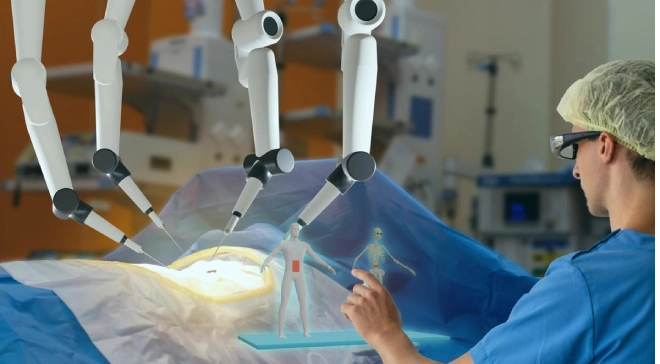
Myth 6: The only benefit of robotic surgery is a smaller scar.
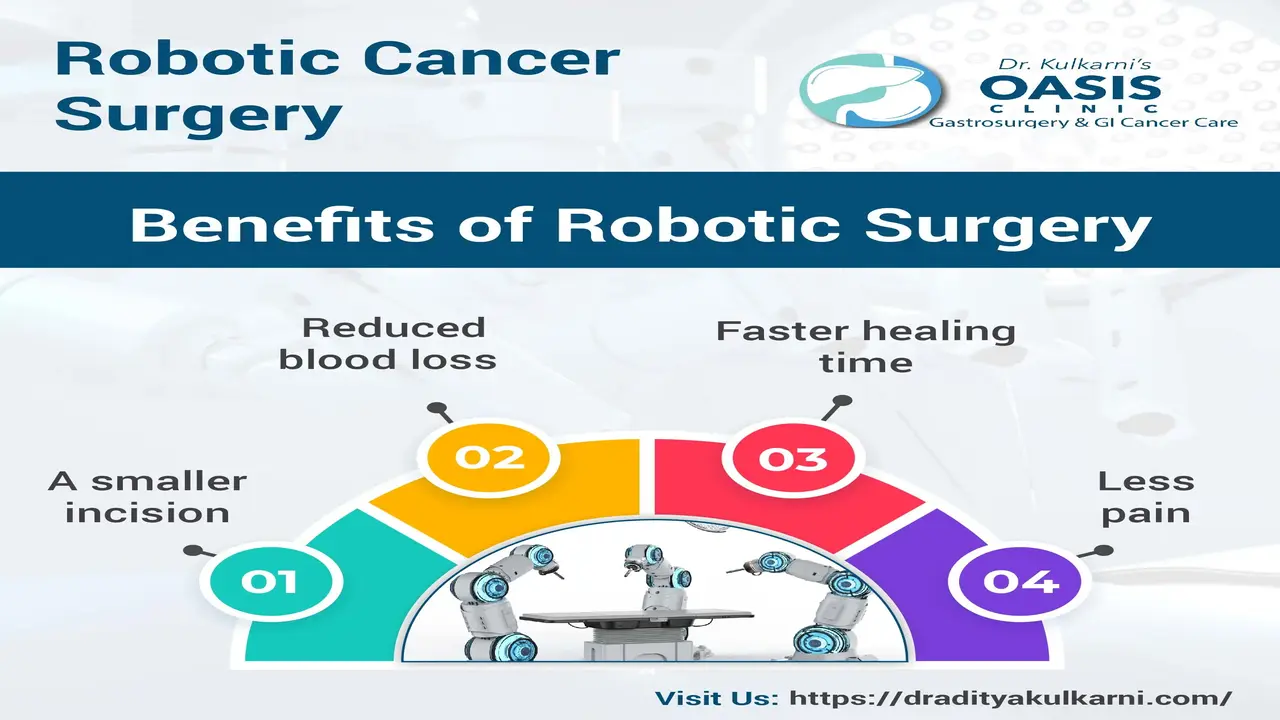
Truth: While smaller incisions and scars are one advantage, Robotic Surgery also offers other Benefits such as Reduced Blood Loss, Faster Recovery, safer operations, shorter operative time, and a quicker return to work. These advantages make robotic surgery an attractive option for many patients and medical professionals alike. In addition, the precision of robotic surgery can help preserve surrounding healthy tissue and minimize complications, leading to better overall patient outcomes.
Myth 7: Any surgeon can easily perform robotic surgery.
Truth: Acquiring the skills necessary for robotic surgery requires extensive training and practice. Access to a robotic system does not guarantee superior surgical outcomes. Surgeons must be accredited and undergo rigorous training to master the art of robotic surgery. A surgeon’s experience and expertise play a significant role in the success of robotic surgery procedures. Moreover, continued education and staying updated on the latest advancements in robotic surgery are essential for surgeons to maintain their proficiency in this specialized field.
Experience and expertise are pivotal in ensuring the triumph of robotic surgery procedures. The journey from novice to mastery is paved with continuous learning, particularly in the realm of the latest robotic advancements.
As the spotlight falls on robotic surgery, meet Dr. Aditya Kulkarni, a beacon of excellence in this field. At Oasis Clinic, his proficiency shines as he not only embraces the latest advancements but also pioneers them.
With Dr. Aditya Kulkarni, a distinguished Robotic Cancer Surgeon in Pune, you’re in the hands of a true expert who embodies the essence of skill, knowledge, and innovation.
Truth: The instruments used in Robotic Surgery and Laparoscopy Differ Significantly. Robotic instruments have wrist-like motion, similar to a human arm, whereas Laparoscopic Instruments are straight and less flexible.
Robotic surgery enables more precise movements in difficult-to-reach areas, offering additional benefits such as tremor filtration and motion scaling. These features allow the surgeon to perform intricate procedures with greater control and dexterity than traditional laparoscopy.
Additionally, the enhanced vision provided by the 3D, magnified view in robotic surgery helps the surgeon to identify and preserve vital structures, nerves, and blood vessels during the procedure.
This precision can lead to less postoperative pain, improved functional outcomes, and faster recovery for the patient.
Take a Moment to Call Someone You Care About
Wrapping up
Robotic surgery is a cutting-edge technology that offers numerous advanṣtages over traditional surgical methods. However, misconceptions and myths surrounding this innovative approach often lead to confusion and doubt.
By debunking these myths and providing accurate information, we hope to empower patients and medical professionals to make informed decisions about the use of robotic surgery in their treatment plans.
As technology continues to advance, robotic surgery will likely play an increasingly significant role in modern medicine, providing safer and more effective treatment options for patients worldwide. If you need any further information for the same, feel free to reach out to us. Our experts will be happy to assist.

Dr. Aditya Kulkarni
MS, DNB, FRCS, MCh (Surgical Gastroenterology & GI Oncology)
Dr. Aditya Kulkarni is a Consultant of Laparoscopic and Robotic Gastrointestinal, Hepato-biliary-pancreatic, and Cancer Surgeon at the Renowned Oasis Surgery Clinic Pune.
Book An Appointment